Ethics

Artificial intelligence is rapidly transforming industries, decision-making, and society as a whole. While AI presents incredible opportunities for efficiency, innovation, and scalability, it also raises serious ethical concerns. From biases in machine learning to privacy concerns and accountability in AI-driven decisions, leaders must approach AI with responsibility, transparency, and integrity.
At Lead AI, Ethically, we explore the ethical dilemmas surrounding AI and provide guidance on adopting AI responsibly in business, governance, and everyday applications.

Ethics is the study of moral principles that guide human behavior, helping us distinguish right from wrong. These principles shape individual choices, business practices, and societal norms, ensuring integrity, trust, and accountability.
In the context of AI, ethics takes on new complexities. Machines don't have morality—they follow human-designed algorithms. The challenge is ensuring AI aligns with ethical values, minimizing harm while promoting fairness, transparency, and responsibility.
AI ethics builds upon traditional ethical principles, adapting them to the unique challenges posed by machine learning, automation, and algorithmic decision-making.
Utilitarianism evaluates AI ethics based on the greatest good for the greatest number. AI-driven systems, such as automated hiring platforms or medical diagnostics, are often designed with this principle in mind—maximizing benefits while minimizing harm.
Challenges:
Deontology asserts that certain rules must be followed, regardless of outcomes. This principle applies to AI regulations, such as data privacy laws (GDPR) and AI safety standards, where adherence to rules takes precedence over potential benefits.
Challenges:
Virtue ethics emphasizes character and intent rather than rules or consequences. AI should be designed to reflect virtues like fairness, honesty, and compassion, promoting ethical behavior through responsible programming and oversight.
Challenges:
Care ethics focuses on relationships and empathy, ensuring that AI decisions prioritize human well-being. AI in healthcare, education, and customer service should emphasize compassion and fairness.
Challenges:
AI alone cannot ensure ethical outcomes—it requires ethical humans and well-defined ethical standards to guide its implementation. Businesses and organizations must establish clear ethical policies, train employees in ethical AI use, and foster a corporate culture that prioritizes integrity and accountability.
Developing Ethical AI Standards: Companies should create guiding principles for AI use, covering fairness, transparency, and accountability.
Training Ethical Leaders: Business leaders and employees must be educated on AI biases, ethical decision-making, and the societal impact of AI technologies.
Creating a Culture of Responsibility: Ethics should be a core business value, ensuring AI tools are used responsibly and with human oversight.
Without ethical humans making informed decisions, AI cannot be truly ethical. Companies that prioritize integrity, diversity, and ethical leadership will be best positioned to deploy AI responsibly.
AI systems learn from historical data, which may contain biases. If not carefully managed, AI can reinforce discrimination in areas like hiring, lending, and law enforcement.
Best Practices:
Many AI models function as "black boxes," making decisions that even their creators struggle to explain. Ensuring AI transparency is crucial for accountability and trust.
Best Practices:
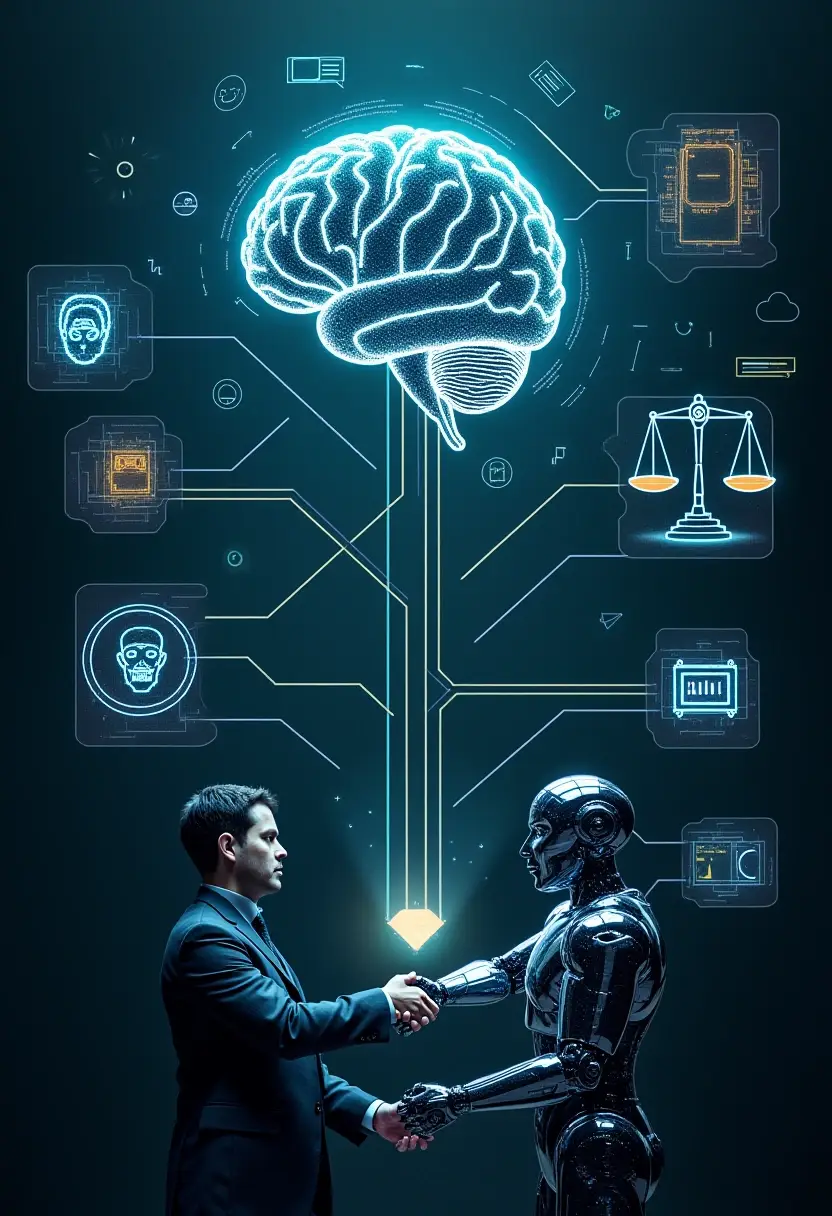
As AI collects and processes vast amounts of data, privacy concerns become increasingly urgent. Companies and governments must uphold strict data protection standards.
Best Practices:
Who is responsible when AI makes a mistake? As AI takes on more decision-making roles in finance, healthcare, and law enforcement, establishing clear accountability is critical.
Best Practices: