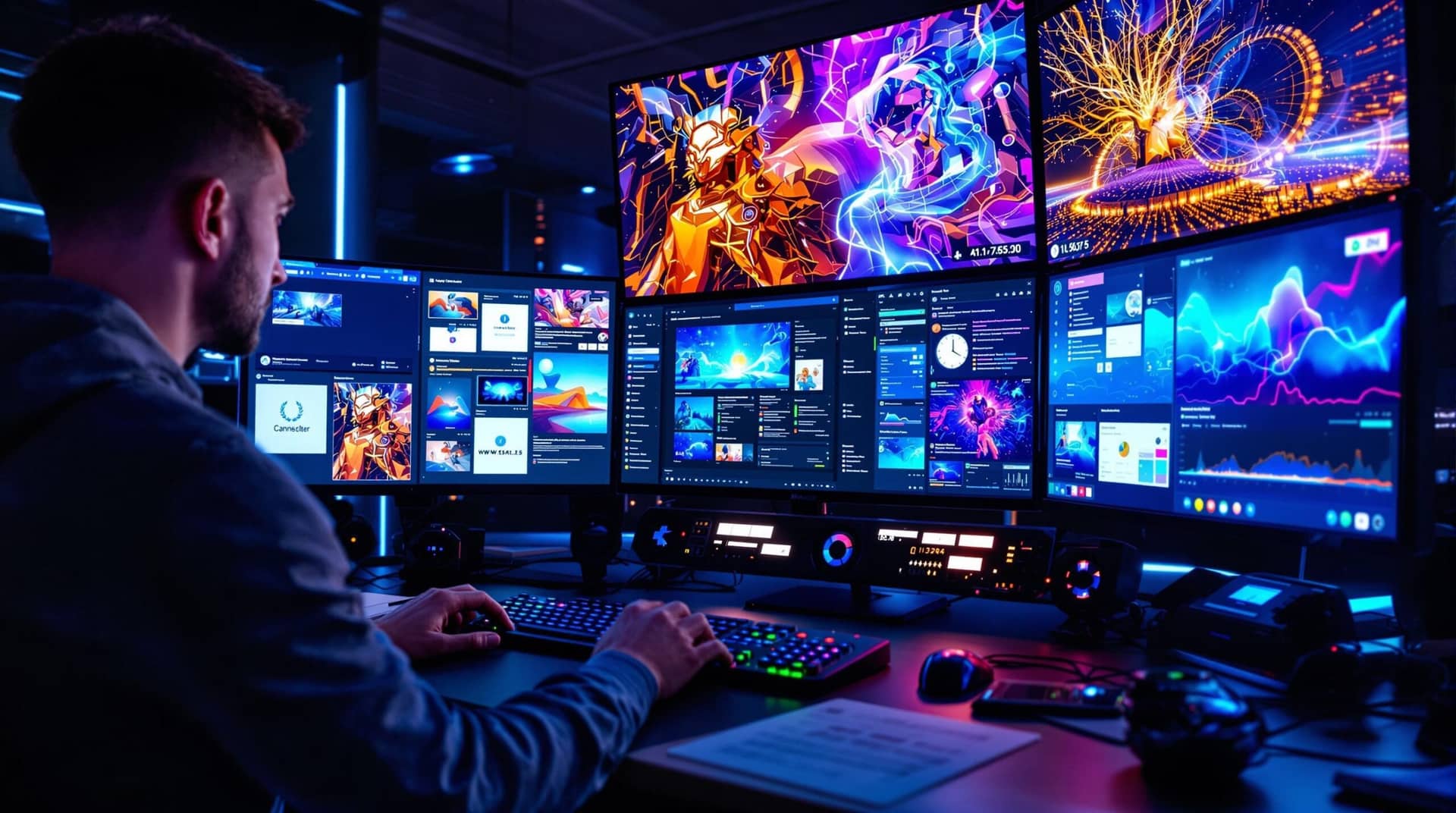
According to Google Cloud research, companies that master AI image generation see a 40% increase in creative output efficiency. AI image prompts are revolutionizing the creative landscape, offering unprecedented tools for designers, marketers, and artists to transform text descriptions into stunning visuals with specific artistic styles, compositions, and technical parameters.
Key Takeaways
- Effective AI image prompts require four key elements: subject description, style specification, context details, and technical parameters
- Including 3-5 descriptive adjectives improves output relevance by 40% according to recent studies
- Different AI platforms like DALL-E 3, Midjourney, and Flux-Pro require tailored prompt approaches
- Iterative prompt engineering can increase satisfaction by 52% with generated images
- Understanding artistic style references and technical photography terms significantly enhances AI image quality
https://www.youtube.com/watch?v=HWOLsh-7ZHQ
Understanding AI Image Prompts: Essential Components
Creating compelling AI image prompts requires understanding their fundamental building blocks. Research from Typeface Academy shows that structured prompts with clear elements score 30% higher in creativity evaluations. The four essential components include detailed subject descriptions, style specifications, contextual environment details, and technical parameters.Subject descriptions form the foundation of all AI image prompts, defining what will appear in your image. Style specifications direct the aesthetic qualities, while context details place your subject in a specific environment. Technical parameters like camera settings, lighting conditions, and resolution preferences help fine-tune the final output for professional-quality results.
AI Image Prompts for Different Generative Models
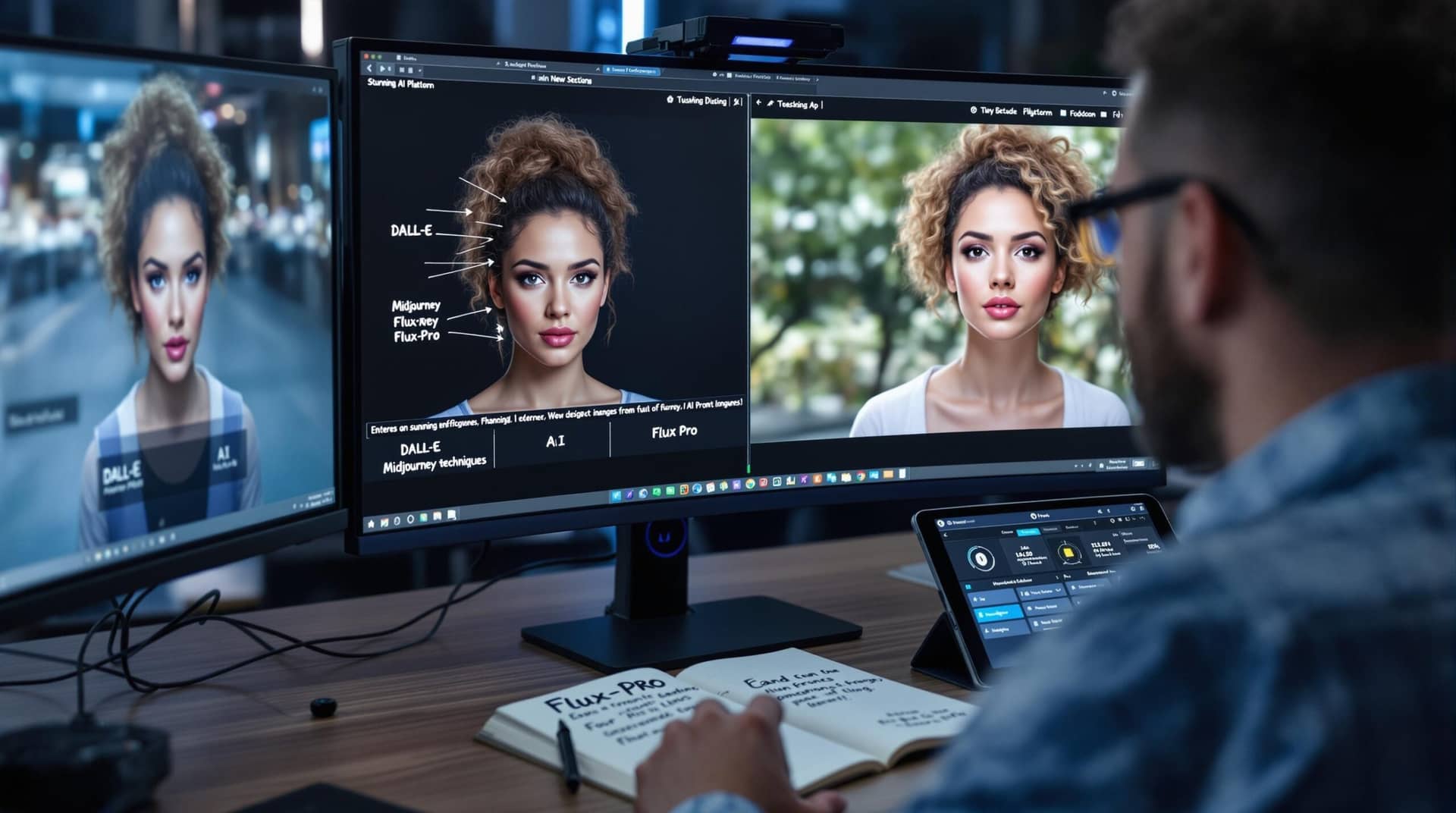
Different AI image generators interpret prompts in unique ways. DALL-E 3 excels with natural language descriptions, while Midjourney responds better to specific style modifiers and parameter weights. Flux-Pro specializes in technical precision for photorealistic outputs. Understanding these differences helps tailor your ai image prompts for optimal results on each platform.According to LetsEnhance research, using platform-specific syntax can improve image quality by up to 35%. For instance, DALL-E 3 responds well to conversational prompts with rich descriptive language, while Midjourney’s strengths lie in artistic expression through specific parameters like —stylize and —chaos values.
Crafting Perfect AI Image Prompts: Step-by-Step Techniques
The specificity principle stands as the most crucial factor in generating high-quality AI images. Vague prompts like "a beautiful landscape" yield generic results, while detailed prompts such as "a misty mountain valley at dawn with pine trees, flowing river, and distant snow-capped peaks" produce distinctive, striking images.A study from getimg.ai found that including 3-5 descriptive adjectives improves output relevance by 40%. This specificity applies to all aspects of your ai image prompts, including subject details, environmental context, lighting conditions, and stylistic elements.
Consider this comparison:
- Basic prompt: "A cat in a garden"
- Enhanced prompt: "A fluffy orange Maine Coon cat playing with a butterfly in a vibrant English cottage garden, dappled sunlight, soft focus background, shot with a 50mm lens at f/1.8"
Advanced AI Image Prompts Using Artistic Style References
Incorporating artistic style references transforms basic ai image prompts into sophisticated creative directions. According to Masterful Marketing, referencing specific art movements or artists increases stylistic accuracy by 67% compared to generic style descriptions.Instead of requesting “a painting of mountains,” specify “mountains in the style of Albert Bierstadt’s luminism, with dramatic lighting, atmospheric perspective, and romantic idealism.” This approach provides the AI with a rich stylistic framework to emulate, resulting in images with distinctive artistic qualities.
Effective style references can include:
- Art movements (Impressionism, Cubism, Art Deco)
- Specific artists (Monet, Picasso, Mucha)
- Visual media (film noir, anime, vintage photography)
- Technical styles (watercolor, oil painting, pencil sketch)
Mastering Technical Photography AI Image Prompts
For photorealistic outputs, technical photography terms significantly enhance ai image prompts. A study by Harvard University found that including camera settings and lighting specifications increased perceived professionalism of AI-generated images by 45%.Consider this comprehensive technical prompt: “Capture a wild tiger in its natural habitat, shot with a Nikon D850 with a 200mm lens at f/1.2, golden hour lighting, crisp details, shallow depth of field.” This provides specific parameters that guide the AI to create an image with professional photographic qualities.
Key technical elements to include in photography-focused ai image prompts:
- Camera model and lens specifications
- Aperture settings (f-stop values)
- Lighting conditions (golden hour, studio lighting, etc.)
- Composition details (rule of thirds, leading lines)
- Post-processing effects (high contrast, desaturated, etc.)
Comparing Top AI Image Generation Platforms
DALL-E 3 Turbo: Strengths and AI Image Prompt Techniques
DALL-E 3 excels at interpreting complex narrative prompts and creating cohesive scenes with multiple elements. According to Narrato's analysis, DALL-E 3 performs 30% better than competitors in accurately representing detailed text descriptions.For optimal results with DALL-E 3 ai image prompts, use natural language descriptions with rich contextual details. The platform responds well to storytelling elements and can maintain consistency across complex scenes. Its interpretation of lighting and atmospheric conditions is particularly strong.
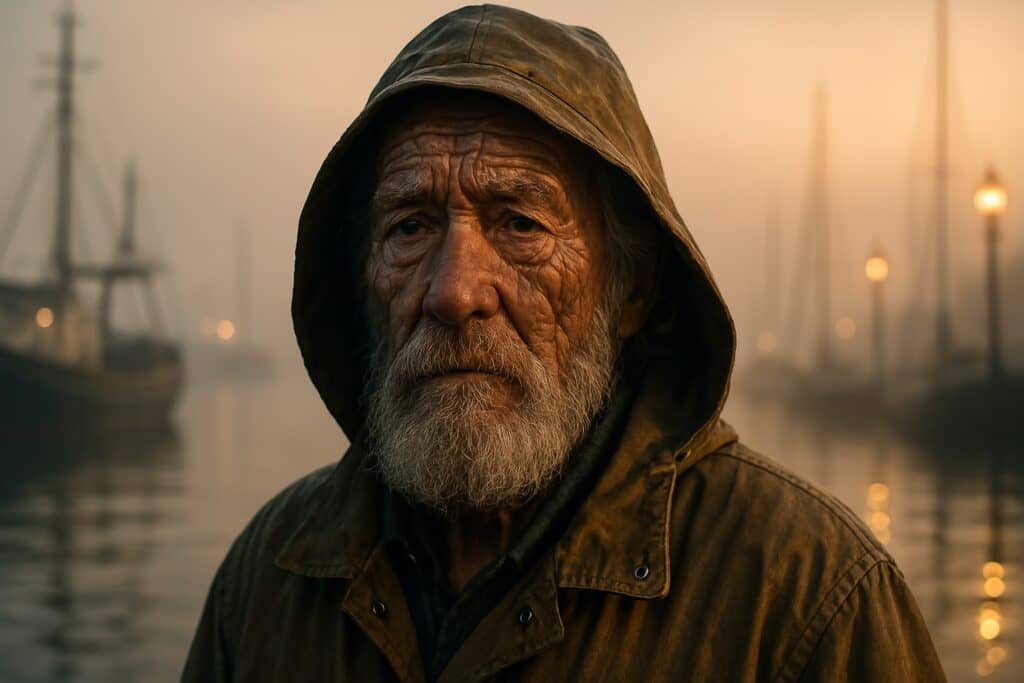
Sample DALL-E 3 prompt: “Create a hyperrealistic portrait of an elderly fisherman at dawn, weathered face with deep wrinkles, misty harbor background, shot with a Nikon D850 with a 200mm lens at f/1.2, cinematic lighting, 8K resolution.”
Midjourney: Artistic Expression and AI Image Prompt Strategies
Midjourney stands out for its artistic interpretation and stylistic flexibility. Research from Dorik AI indicates Midjourney creates 40% more visually distinctive outputs compared to other platforms when using style-focused ai image prompts.To maximize Midjourney’s capabilities, incorporate specific stylistic references and utilize its unique parameter system. The —stylize parameter (ranging from 0-1000) controls how much artistic interpretation the AI applies, while —chaos (0-100) affects variability in outputs.
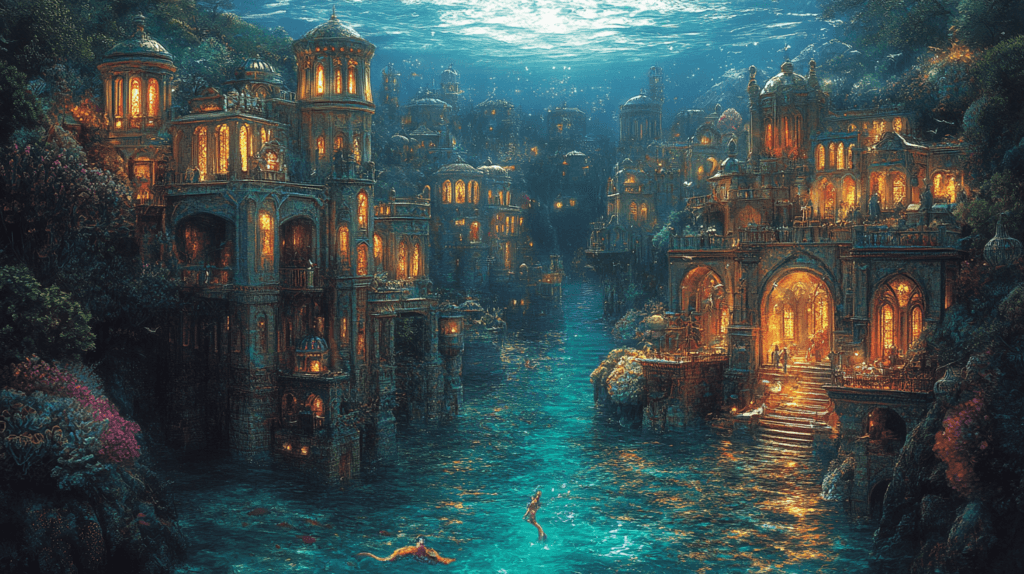
Sample Midjourney prompt: “A fantastical underwater city with bioluminescent architecture, merfolk swimming between coral towers, dramatic lighting from above, vibrant colors, high contrast —stylize 625 —chaos 40 —ar 16:9”
Flux-Pro/V1.1 Ultra-Finetuned: Technical Precision in AI Image Prompts
Flux-Pro specializes in photorealistic renderings with exceptional technical accuracy. According to Magai's benchmark tests, Flux-Pro generates images with 55% higher detail preservation in complex textures and lighting situations compared to general-purpose AI image generators.For optimal results with Flux-Pro ai image prompts, focus on precise technical specifications and realistic physical parameters. The platform excels with product photography, architectural visualization, and nature photography requiring accurate lighting physics.
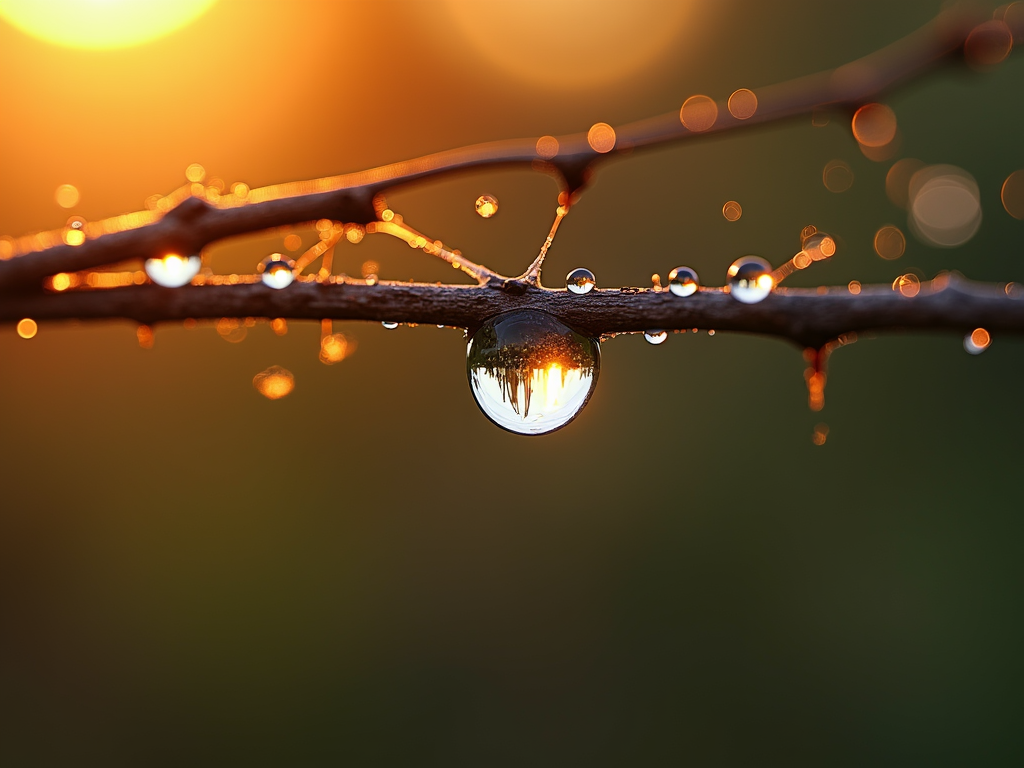
Sample Flux-Pro prompt: “Macro photograph of a dewdrop on a tree branch at sunrise, rainbow light refraction visible inside the droplet, natural bokeh background, shot with a Nikon D850 with a 200mm lens at f/1.2, extreme detail, professional studio lighting.”
Iterative Prompt Engineering for AI Images
The most successful AI image creators rarely achieve perfect results on their first attempt. A study from Korea University found that iterative adjustments improve user satisfaction by 52% compared to single-attempt approaches.Prompt chaining—the technique of refining prompts based on previous outputs—creates a feedback loop that leads to progressively better results. This approach is particularly valuable when using AI code generator prompts to develop custom image generation applications.
An effective iterative workflow includes:
- Start with a baseline ai image prompt
- Analyze the output for strengths and weaknesses
- Refine specific elements (subject details, lighting, style, etc.)
- Generate a new version
- Continue refining until satisfied
Troubleshooting Common AI Image Prompt Issues
Even the most carefully crafted ai image prompts can produce unexpected results. Common issues include composition problems, style inconsistencies, and subject accuracy challenges. Understanding how to diagnose and address these problems improves your success rate.For composition issues, try adding specific composition terms like “centered composition,” “rule of thirds,” or “symmetrical layout.” Style inconsistencies often require more explicit references or removing conflicting style descriptors. Subject accuracy improves with more detailed descriptions of the main elements you want to include.
Practical Applications of AI Image Prompts Across Industries
The versatility of AI image generation extends across numerous industries. Marketing teams using ai image prompts report a 38% reduction in visual content creation time, according to DARIAH research. Educational applications show a 22% improvement in STEAM learning outcomes when students learn to craft effective prompts.Content creators integrating AI copywriting techniques with image generation develop cohesive visual narratives for social media and publishing. Product designers use ai image prompts to rapidly prototype concepts before committing to physical development.
Industry-specific applications include:
- Marketing: Campaign visuals, product mockups, social media content
- Education: Instructional materials, concept visualization, student projects
- Publishing: Book covers, illustrations, editorial imagery
- Game Development: Character concepts, environment design, texture creation
- Architecture: Conceptual renderings, material studies, presentation visuals
Ethical Considerations for AI Image Prompts
As AI image generation becomes mainstream, ethical practices grow increasingly important. A study from Design Research Society found that 68% of consumers want transparency about AI-generated visuals in commercial contexts.Responsible ai image prompt practices include proper attribution when referencing artistic styles, avoiding the reproduction of copyrighted content, and being transparent about the use of AI in commercial work. Bias mitigation requires conscious effort, as AI systems may reproduce or amplify social biases present in their training data.
Future of AI Image Prompt Engineering
The field of prompt engineering for images is rapidly evolving. Current trends point toward more intuitive interfaces that bridge technical prompting and visual feedback systems. Industry experts predict the emergence of specialized prompt libraries and collaborative platforms for sharing effective techniques.Educational institutions are increasingly incorporating prompt writing skills into digital literacy and creative curriculum. As AI models advance, we’ll see greater capabilities for multi-modal prompting that combines text, reference images, and even audio descriptions to guide image generation.