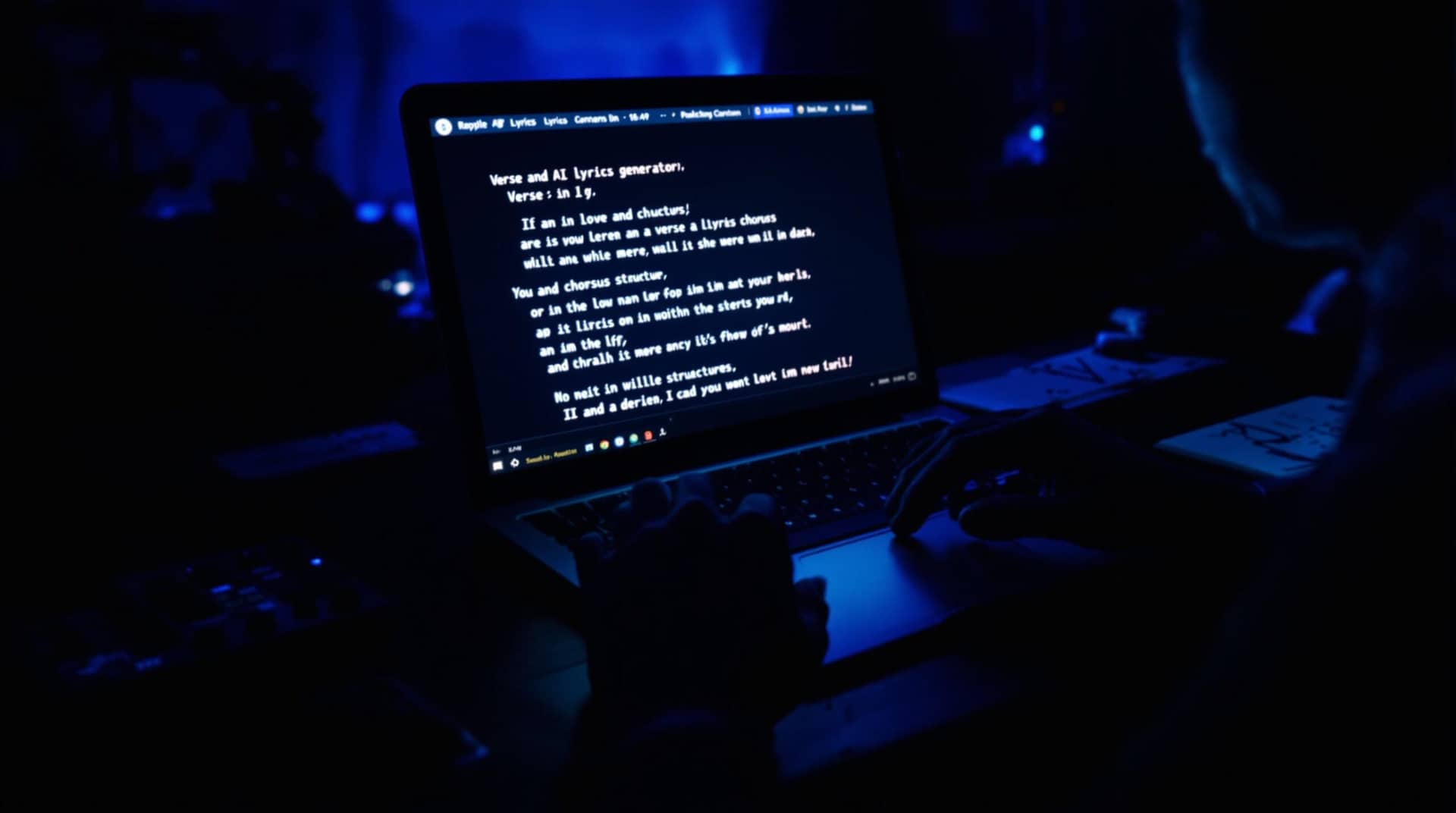
Most of us have moments when we want to express something through song but lack the musical training to know where to start. An AI lyrics generator is not a replacement for developing genuine artistic voice—it is a tool that lowers the technical barrier to entry while preserving the need for human discernment about what resonates and what rings hollow. These platforms accept detailed inputs specifying theme, genre, mood, and structure, then generate verses, choruses, and bridges using neural networks trained on existing musical patterns. For leaders navigating AI adoption, these tools surface questions about authentic creativity and whether speed substitutes for the slow work of developing genuine artistic voice. This article explains how AI lyrics generators work, what beginners need to know to use them effectively, and how to maintain integrity while leveraging automation for creative projects.
Quick Answer: An AI lyrics generator is a neural network-powered tool that creates structured song lyrics from text prompts specifying theme, genre, mood, and structure. Platforms like Canva’s Magic Write, Soundverse, and AIMakeSong accept detailed inputs and generate verses, choruses, and bridges in seconds, enabling beginners without musical experience to produce draft lyrics that require human refinement for emotional authenticity and natural flow.
Definition: An AI lyrics generator is a platform that converts user prompts into structured song lyrics through algorithms trained on existing musical patterns.
Key Evidence: According to Canva, tools generate lyrics from prompts under 200 words specifying theme, genre, style, mood, and structure such as verses, choruses, and bridges.
Context: These platforms lower technical barriers but demand discernment about prompt clarity and personalization to avoid generic outputs.
AI lyrics generators work through three mechanisms: they externalize creative intention into structured prompts, they apply pattern-matching algorithms to generate draft lyrics aligned with specified parameters, and they produce raw material that requires human judgment to refine into authentic expression. That combination reduces the barrier to entry for songwriting but does not eliminate the need for discernment about what resonates and what rings hollow. The benefit comes from iteration and personalization, not from accepting first drafts as final products.
Maybe you’ve stared at a blank page wanting to capture something in song form but had no idea where to begin. The sections that follow will walk you through how these tools function, how to craft effective prompts that yield usable results, and how to navigate the limitations while maintaining creative accountability.
Key Takeaways
- Prompt specificity determines quality — detailed inputs about theme, mood, and structure prevent generic clichés and yield more usable drafts that require less revision (Canva)
- Major platforms integrate full workflows — AIMakeSong offers 70+ styles with lyric-to-beat transitions, enabling complete song creation without separate tools (AIMakeSong)
- Emotional depth requires human editing — algorithms struggle with natural rhythm fit and authentic resonance, necessitating iterative refinement by users (AIMakeSong)
- Over-reliance risks stunting originality — accepting first drafts without personalization erodes skill development and authentic voice (Songwriters Pad)
- No peer-reviewed efficacy data exists — current practices rest on untested assumptions rather than empirical evidence about long-term impacts on creativity
How AI Lyrics Generators Work for Complete Beginners
You describe what you want: theme like “missing someone,” genre such as pop or rap, style emulating specific artists, mood ranging from melancholic to upbeat, and structure defining verses, choruses, and bridges. According to Canva, these prompts typically run under 200 words but need enough detail to guide the algorithm toward usable outputs rather than generic filler. AI lyrics generators function as prompt-driven platforms where users input specifications to produce draft lyrics within seconds.
Major platforms include Canva’s Magic Write powered by OpenAI, Soundverse leveraging neural networks trained on pop trends, AIMakeSong with artist style emulation across 70+ genres, and LyricStudio focusing on beginner refinement. Research by Soundverse shows that neural processing trained on current musical trends enables genre-specific outputs that align with listener expectations. These tools typically offer free tiers with limited generations, unlocking full features through subscriptions, making them accessible entry points for professionals exploring creative expression without prior musical training.
Specificity in prompts determines output quality. Vague inputs like “write a song” yield shallow results, while detailed prompts such as “write a song about oranges in the style of Mr. Brightside” produce structured, usable drafts. This principle mirrors effective leadership communication: unclear directives produce confused execution, while clarity of vision shapes meaningful outcomes. The algorithm cannot read your mind, so the work of articulating what you want remains yours.
Algorithms excel at pattern matching but struggle with the intangible qualities that make lyrics resonate: the unexpected metaphor, the vulnerable confession, the turn of phrase that captures shared human experience. According to AIMakeSong, achieving natural rhythm fit and emotional resonance requires human intervention through specifying rhyme schemes or iterating prompts to refine pacing. The tool generates likelihoods based on existing data rather than lived truth, which means you remain responsible for discerning what serves your message and what falls flat.
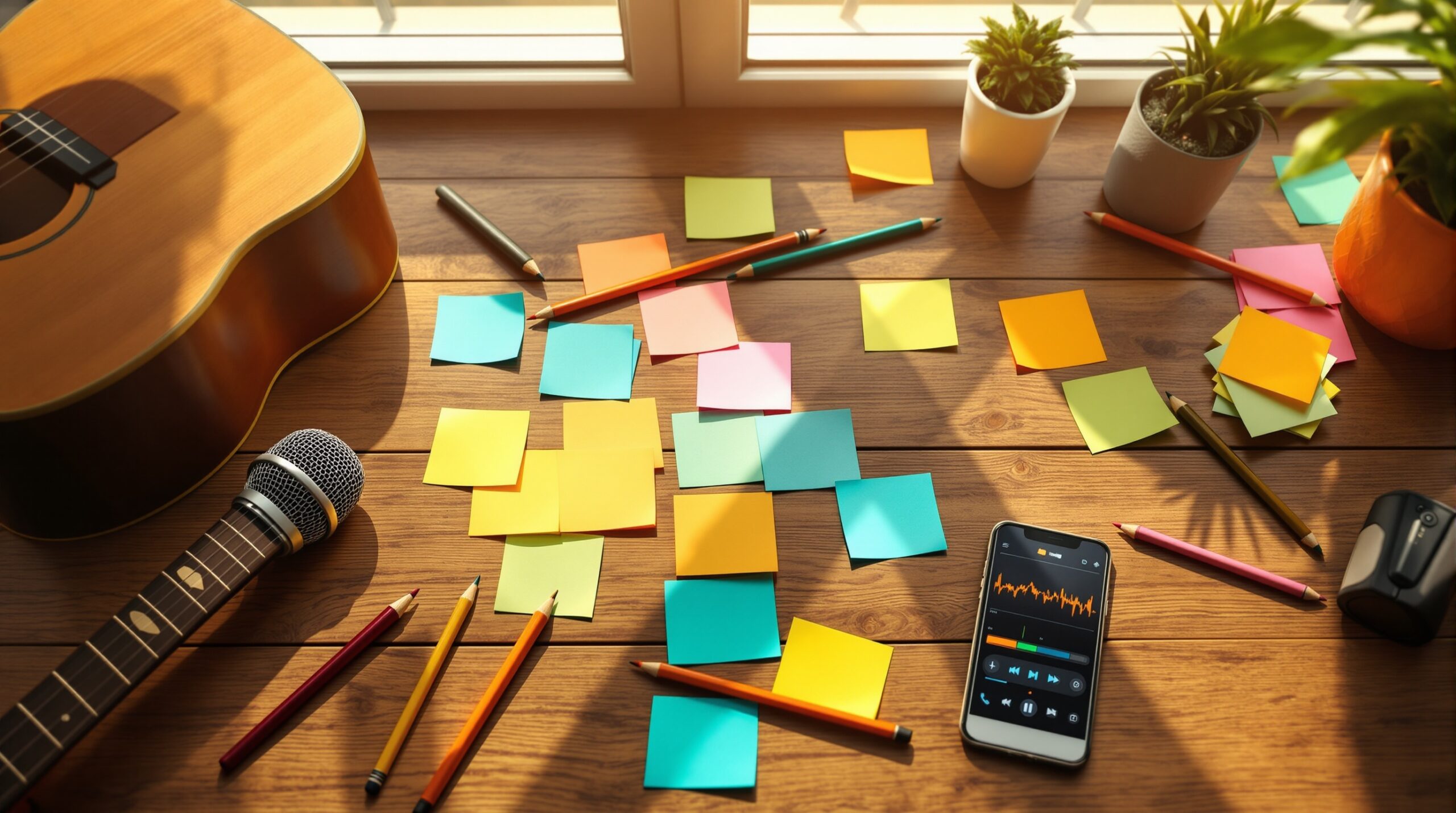
The Generate-Refine-Integrate Workflow
Beginners follow a three-step process: generate multiple drafts from detailed prompts, refine by adjusting rhyme schemes like AABB versus ABAB and testing rhythm by reading aloud against target tempo, then integrate by pairing lyrics with AI beat generators or vocal synthesizers. According to Cyberlink, this workflow preserves human agency. The AI provides raw material while you exercise judgment about what serves your creative vision and what needs revision.
Crafting Effective Prompts and Avoiding Common Mistakes
Instead of “write a sad song,” try “compose a slow emotional ballad about perseverance through organizational change, emphasizing hope and resilience, structured with two verses, a chorus, and a bridge.” This specificity mirrors how effective leaders communicate: vague directives yield vague results, while clarity of vision shapes meaningful outcomes. Best practices emphasize detailed inputs to avoid generic outputs. The algorithm responds to the precision of your instructions, so the work of articulating what you want cannot be delegated.
Common mistakes include accepting first-pass AI drafts without personalization, using overly generic prompts that produce cliché-laden lyrics, and neglecting rhythm testing by reading aloud against target tempo. According to Songwriters Pad, over-reliance on AI without personalization potentially erodes skill development and originality. Tools that bypass creative struggle may undermine the long-term thinking needed to cultivate authentic expression. If you never wrestle with finding the right word or revising a clunky phrase, you miss the formation that comes through constraint.
Advanced users specify rhyme schemes, emotional emphasis, and cultural references to address natural flow challenges. They recognize that algorithms generate likelihoods based on existing data rather than lived truth, which means outputs reflect patterns in training data rather than your unique perspective. This limitation is not a flaw but a feature: it clarifies that the tool extends your creative capacity but does not replace your judgment about what matters and why.
Generate multiple versions, blend the strongest elements, adjust phrasing for natural speech patterns, and test emotional resonance by sharing drafts with trusted colleagues before finalizing. Iterative refinement works best. This process mirrors how leaders develop strategy: initial ideas get tested against reality, refined through feedback, and improved through successive iterations. The first draft is rarely the final answer.
Canva works well for straightforward pop, country, or rap drafts given integration with design tools. AIMakeSong excels for rap with specific artist emulation. Soundverse offers genre-specific neural processing for pop trends. According to Soundverse, matching platform capabilities to your creative goals increases the likelihood of usable first drafts that require less revision. Platform selection matters for beginners. Consider whether you need artist style emulation or prefer genre-aligned outputs when choosing where to start.
Practical Applications for Professionals Without Musical Training
Mid-career professionals can use AI lyrics generators for accessible creative expression: crafting personal anthems articulating career values, composing team-building songs for retreats, or exploring songwriting as reflective practice. The barrier to entry has dropped from years of musical training to the ability to describe what you want in a detailed prompt. That shift opens songwriting to people who previously considered it inaccessible, though it also raises questions about what gets lost when the learning curve flattens.
Leaders might articulate company values through song, creating memorable expressions of mission that employees internalize more readily than bullet points on slides. Marketing teams draft campaign themes using AI to overcome initial inertia, then ensure outputs reflect brand voice through careful editing. Real applications extend to organizational contexts. The tool provides momentum when facing a blank page, but you remain accountable for whether the final product serves your purpose or merely fills space.
One common pattern looks like this: a team leader wants to create something meaningful for an upcoming retreat but feels stuck on where to begin. She drafts a detailed prompt describing the team’s shared values and recent challenges, generates three versions, then spends an evening blending the best lines and adjusting phrases that feel forced. The final song becomes a shared reference point, not because the AI wrote something perfect, but because she invested the time to shape raw material into something that reflects what her team actually cares about.
This clarity shapes meaningful outcomes just as effective leadership requires precise communication of vision and expectations. The process begins with framing clear prompts that specify emotional tone, theme, and structure. If you cannot articulate what you want from the AI, you likely have not clarified what you want from the creative project itself. The prompt-writing process forces that clarification, which has value independent of the lyrics generated.
They expand creative possibility but do not exempt users from the hard work of discernment, revision, and ensuring outputs reflect genuine values rather than algorithmic approximation. AI lyrics generators work best as collaborative partners rather than oracles. You might think of them as research assistants who gather raw material but cannot write your final argument. The synthesis, the judgment about what matters and why, remains yours.
Educators can teach narrative structure by having students generate lyrics then analyze what works and why. This preserves accountability while using technology to illustrate principles. Students learn to recognize effective metaphors, natural pacing, and emotional resonance by comparing multiple AI-generated versions and explaining their preferences. The tool becomes a teaching aid rather than a shortcut, which aligns with how technology serves best: amplifying human capacity rather than replacing human judgment.
According to HeyGen, lyric video creation now integrates seamlessly with AI-generated lyrics. Cyberlink offers complete songwriting workflows from initial prompt through final production. Recent platforms from 2023-2025 show integration with full creative suites combining lyrics, music, and visual media. These advances amplify accessibility but raise questions about dependency on centralized infrastructure and whether tools serve human flourishing or merely extract value from creative commons. When a handful of platforms control the entire creative pipeline, who determines what counts as acceptable expression?
Understanding Limitations and Unanswered Questions
We do not know if these tools function as training wheels eventually discarded or crutches preventing independent skill development. No peer-reviewed studies examine whether regular use of AI lyrics generators strengthens or atrophies creative capacity. For leaders considering adoption, this uncertainty matters: tools that promise efficiency today may compromise competence tomorrow if they bypass the formative struggle through which skills develop. The question is not just “does this work?” but “what kind of person do I become through using this?”
Available sources consist primarily of platform guides and blog posts without named experts or institutional affiliations offering scholarly consensus. This reveals a marketing-driven conversation rather than rigorous ethical deliberation. When vendors describe benefits without independent verification, we should approach claims with healthy skepticism. The absence of peer review does not mean the tools are worthless, but it does mean we are experimenting rather than implementing proven practices.
According to AIMakeSong, algorithms struggle with subtlety that makes lyrics compelling: vulnerable confessions, turns of phrase capturing shared human experience, the unexpected image that stops you mid-verse. Key challenges persist around achieving natural rhythm fit and emotional resonance. These qualities emerge from lived experience and careful attention, not from pattern-matching on existing datasets. The tool can approximate conventions but cannot replicate the spark that makes art memorable.
Questions of plagiarism when AI trains on copyrighted material lack clear answers. Authorship attribution in professional contexts requiring transparency is unresolved: if you use AI to draft a company anthem, does integrity require disclosure? Ethical dimensions remain unexamined. How do you navigate stakeholder trust when creative outputs blend human and machine input in opaque ways? These are not abstract philosophical puzzles but practical questions about accountability and honesty in professional practice.
We lack evidence on whether audiences perceive meaningful differences between AI-generated and human lyrics, whether AI-assisted songs achieve cultural staying power, or how different demographics respond to algorithmically influenced music. The absence of empirical data on user adoption, listener reception, or long-term impacts on originality demands leaders approach these tools with humility about what remains unknown rather than treating efficiency gains as unqualified benefits. Without this data, claims about democratizing creativity rest on assumption rather than proof.
Emerging trends show platforms evolving toward artist style emulation and granular structural control, but these advances raise questions about whether users create art or merely optimize for algorithmic preferences and market virality. When tools train on what has already succeeded, they reinforce existing patterns rather than enabling genuine novelty. The result may be technically proficient but creatively derivative. For professionals interested in AI-assisted writing, this tension between efficiency and originality appears across creative domains.
This evolution acknowledges that tools bypassing creative struggle also bypass the character formation and discernment that define authentic leadership. Current best practices shift from “use AI to generate ideas” toward “use AI for initial scaffolding, then personalize extensively.” The revision process, the wrestling with what you actually want to say and how to say it well, cannot be delegated without cost. Similar considerations apply when using AI poetry generators or other creative tools that promise to accelerate output.
Why AI Lyrics Generators Matter
AI lyrics generators matter because they democratize access to creative expression while surfacing questions about authenticity, skill development, and the role of struggle in forming character. These tools lower barriers for beginners without musical training, enabling structured song creation that was previously inaccessible. Yet the ease of generation does not resolve deeper questions about what we lose when technology bypasses the formative work of learning to write. For leaders navigating AI adoption, these tools serve as case studies in how we steward technology without surren
Frequently Asked Questions
What is an AI lyrics generator?
An AI lyrics generator is a neural network-powered platform that creates structured song lyrics from text prompts specifying theme, genre, mood, and structure like verses, choruses, and bridges.
How does an AI lyrics generator work?
You provide detailed prompts describing theme, genre, style, mood, and structure. The algorithm uses pattern-matching on existing musical data to generate draft lyrics within seconds that require human refinement.
What are the best AI lyrics generators for beginners?
Canva’s Magic Write works well for pop and country, AIMakeSong excels for rap with artist emulation across 70+ styles, and Soundverse offers genre-specific neural processing for current trends.
How do I write effective prompts for AI lyrics generators?
Use detailed inputs under 200 words specifying theme, genre, mood, and structure. Instead of “write a sad song,” try “compose a slow ballad about perseverance, emphasizing hope and resilience.”
What are common mistakes when using AI lyrics generators?
Accepting first drafts without personalization, using generic prompts that produce clichés, and neglecting rhythm testing by reading aloud against target tempo are the most frequent errors.
Do AI-generated lyrics require human editing?
Yes, algorithms struggle with natural rhythm fit and emotional resonance. Human intervention is essential for refining pacing, adjusting rhyme schemes, and ensuring authentic expression that resonates.
Sources
- Canva – AI lyric generation tool documentation, prompt requirements, and feature descriptions
- Cyberlink – Tutorial on integrated songwriting workflow combining lyrics, music, and rhythm testing
- AIMakeSong – Analysis of rap lyric generation, artist style emulation, and 70+ genre capabilities
- Songwriters Pad – Beginner guidance on AI-assisted lyric writing, creative blocks, and over-reliance risks
- Soundverse – Neural network training for pop trends, best practices for prompt specificity, and 2025 predictions
- LyricStudio – Historical context on emergence of beginner-focused AI lyric tools circa 2023
- HeyGen – Integration of AI lyrics with visual media through lyric video creation workflows